Introduction to Qoghundos and Its Ingredients
Qoghundos, a traditional dish originating from the Central Asian region, holds a special place in the culinary traditions of various cultures. It is often prepared during significant festivities and is synonymous with communal gatherings, making it a delectable reflection of cultural heritage. The dish primarily consists of dough, meat, and an assortment of spices and vegetables, which together create a wholesome meal that embodies both flavor and nutrition.
The core ingredients in qoghundos typically include flour, which serves as the basis for the dough. This ingredient is essential as it forms the structure of the dish, allowing for various fillings. Most commonly, lamb or beef is used as the protein source, contributing rich flavors and a satisfying texture to the final product. In addition to these main components, ingredients such as onions, potatoes, and a variety of spices like cumin or coriander are included to enhance the overall taste profile. The selection of these ingredients plays a significant role in defining the dish’s character as well as its nutritional value.
The cultural significance of qoghundos cannot be overstated. It is not merely a meal; it is a representation of communal values and traditions that reinforce social bonds within families and communities. The process of preparing qoghundos is often a collective effort, bringing together family members or friends to contribute, share stories, and carry on traditions. Furthermore, the quality of the ingredients in qoghundos is crucial, as they directly impact the health benefits associated with the dish. Understanding whether the ingredients in qoghundos are good is vital for those looking to enjoy this traditional delicacy while also considering their dietary choices.
Nutritional Analysis of Qoghundos Ingredients
Qoghundos is a traditional dish rich in various ingredients, each contributing unique nutritional benefits. Understanding whether the ingredients in Qoghundos are good for health requires a closer examination of their individual properties.
One of the primary ingredients in Qoghundos is lamb, known for its high protein content, which supports muscle growth and repair. Additionally, lamb is a significant source of essential vitamins and minerals, such as iron, zinc, and vitamin B12. While lamb offers numerous health benefits, it is worth noting that excessive consumption of red meat may lead to health concerns, making moderation important for maintaining overall well-being.
Another key ingredient is rice, which serves as a staple carbohydrate in Qoghundos. Rice provides a quick source of energy and is gluten-free, making it an excellent option for those with gluten sensitivities. Whole grain varieties of rice, such as brown rice, offer more fiber, which can aid in digestion and contribute to a feeling of fullness. Thus, when evaluating if the ingredients in Qoghundos are good, the inclusion of whole grain rice is particularly beneficial.
Additionally, Qoghundos often contains a variety of vegetables, which are vital for a balanced diet. Vegetables like carrots and peppers are packed with vitamins A and C, antioxidants that help combat oxidative stress and support immune function. Including these nutrient-dense vegetables not only enhances the flavor of the dish but also significantly boosts its health benefits.
Furthermore, the spices used in Qoghundos, such as cumin and coriander, possess numerous health-promoting properties. These spices are known for their anti-inflammatory and digestive benefits, contributing to the overall healthfulness of the dish. In summary, while the individual ingredients used in Qoghundos offer a range of nutritional advantages, it is essential to consider them within the context of a balanced diet to determine if the ingredients in Qoghundos are indeed good for one’s health.
Consumer Opinions on Qoghundos Ingredients
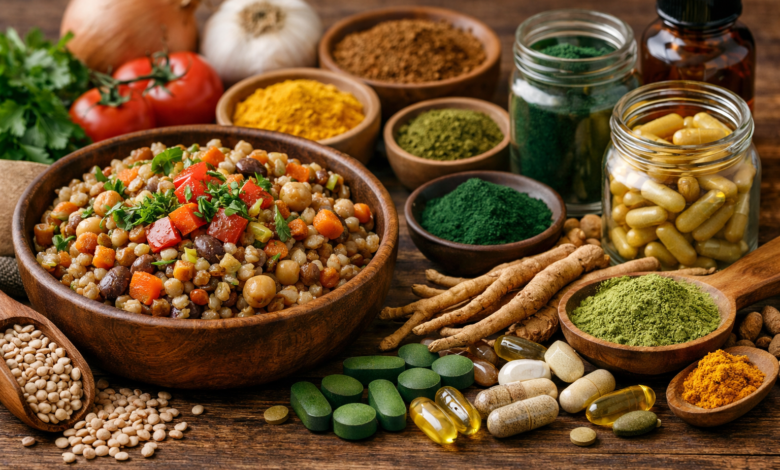
Understanding consumer opinions on the ingredients in Qoghundos can provide valuable insights into whether these components are regarded as beneficial or detrimental. Through various surveys and interviews, a spectrum of feedback has emerged, revealing diverse perspectives on the ingredient quality and overall dish appreciation.
Many consumers express a strong preference for the rich flavors and textures that the specific ingredients in Qoghundos offer. Ingredients such as lamb, spices, and a variety of herbs are often highlighted for their ability to enhance both the taste and nutritional profile of the dish. For instance, some individuals mentioned that the inclusion of fresh herbs not only elevates the flavor but also contributes to the health benefits associated with traditional cooking methods. This positive feedback indicates that a significant number of consumers believe that the ingredients in Qoghundos are, indeed, good for both flavor and health.
On the other hand, some individuals have voiced concerns regarding the use of certain ingredients. A subset of consumers pointed out issues such as the high-fat content in traditional recipes and potential allergens that may not suit everyone’s dietary needs. For example, a few participants noted that while they appreciate the traditional aspects of Qoghundos, they are cautious about the impact of certain fatty cuttings of meat used in the dish. This feedback suggests that while many enjoy the flavors, there is also a growing desire for modifications in recipes to suit modern health considerations.
Ultimately, opinions on the ingredients in Qoghundos are varied, with a clear divide between those who cherish traditional recipes and those advocating for healthier versions. This divergence reflects not only individual preferences but also broader shifting dietary trends, underscoring the importance of adapting traditional dishes to contemporary tastes and health considerations.
Conclusion: Final Thoughts on Qoghundos Ingredients
In delving into the ingredients in Qoghundos, one can appreciate the complex interplay of flavors and nutrition that this traditional dish embodies. Qoghundos, renowned for its robust taste and cultural significance, incorporates a variety of components that contribute to both its culinary and health appeal. Analyzing these ingredients reveals that many are beneficial, such as fresh vegetables, grains, and proteins, which align with contemporary dietary preferences focused on health and sustainability.
While some may question the nutritional value of certain traditional components used in Qoghundos, the overall assessment suggests that the ingredients promote well-being when prepared mindfully. For instance, traditional spices not only enhance flavor but also provide antioxidant and anti-inflammatory properties. This raises the question: are the ingredients in Qoghundos truly good? From a nutritional standpoint, many components are not only acceptable but beneficial when consumed as part of a balanced diet.
However, personal taste preferences and dietary restrictions must also be considered. What is deemed good for one individual may not resonate the same way with another. As such, it is crucial for individuals to explore the characteristics of these ingredients and determine their suitability for their own dietary needs. Ultimately, the richness of Qoghundos ingredients invites a broader discussion on the importance of culinary heritage and the health properties of traditional meals.
In conclusion, the exploration of the ingredients in Qoghundos offers valuable insights into their role in not just flavor, but nutrition and cultural significance as well. Readers are encouraged to assess these ingredients thoughtfully and reflect on their personal experiences with this unique dish.
